How to Test Emergency Lighting: A Complete Guide
Emergency lighting is a vital safety feature in any workplace, providing illumination during power failures and helping occupants safely exit a building in an emergency. Whether you manage an office, retail space, warehouse, or industrial site, ensuring your emergency lighting is regularly tested is not just good practice; it’s a legal requirement in the UK.
At CTE Electrical Contractors, we work with businesses across Yorkshire to provide professional emergency lighting installation, testing, and maintenance. In this guide, we’ll explain how to test emergency lighting correctly, what the legal obligations are, and how often testing should take place.
When the main power supply fails, normal lighting will go out, leaving staff, customers, or visitors in complete darkness. Emergency lighting ensures that escape routes, exit doors, and safety equipment remain visible. Without it, panic can quickly set in, increasing the risk of injury and making evacuation much more dangerous.
For Yorkshire businesses, investing in reliable emergency lighting is about more than compliance—it’s about protecting lives, safeguarding property, and maintaining operational resilience.
UK law requires businesses and landlords to install, maintain, and test emergency lighting systems in line with several regulations:
Failure to comply can result in heavy fines, invalidated insurance policies, or even prosecution.
Emergency lighting testing isn’t optional; it’s a legal duty.
Emergency lighting should be tested at different intervals, with the duration of each test varying:
These tests should be documented in a logbook, signed, and dated to prove compliance during inspections.
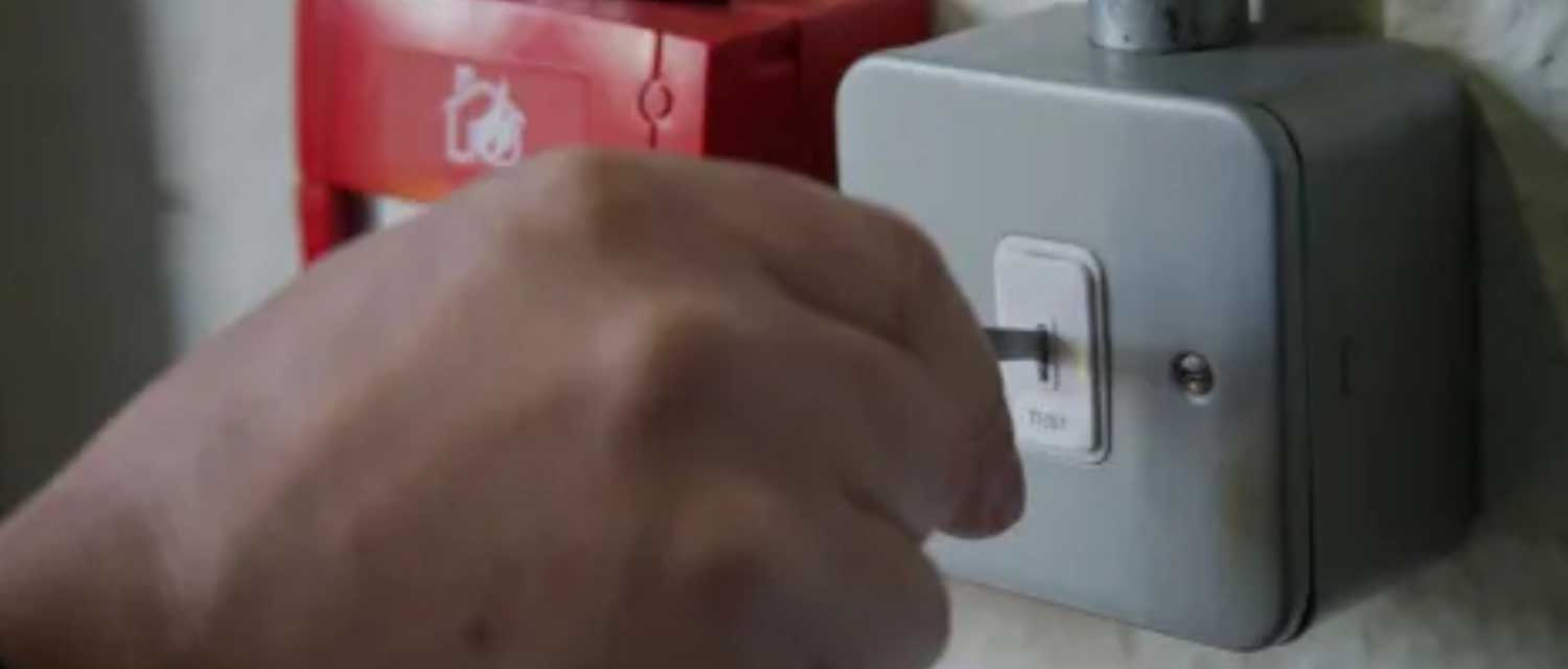
Testing emergency lighting can be carried out manually or via an automatic testing system, depending on the setup of your building. Below, we break down the process:
At CTE Electrical Contractors, we often identify issues during testing that businesses were unaware of. Some common faults include:
Spotting these problems early is essential for keeping your business compliant and safe.
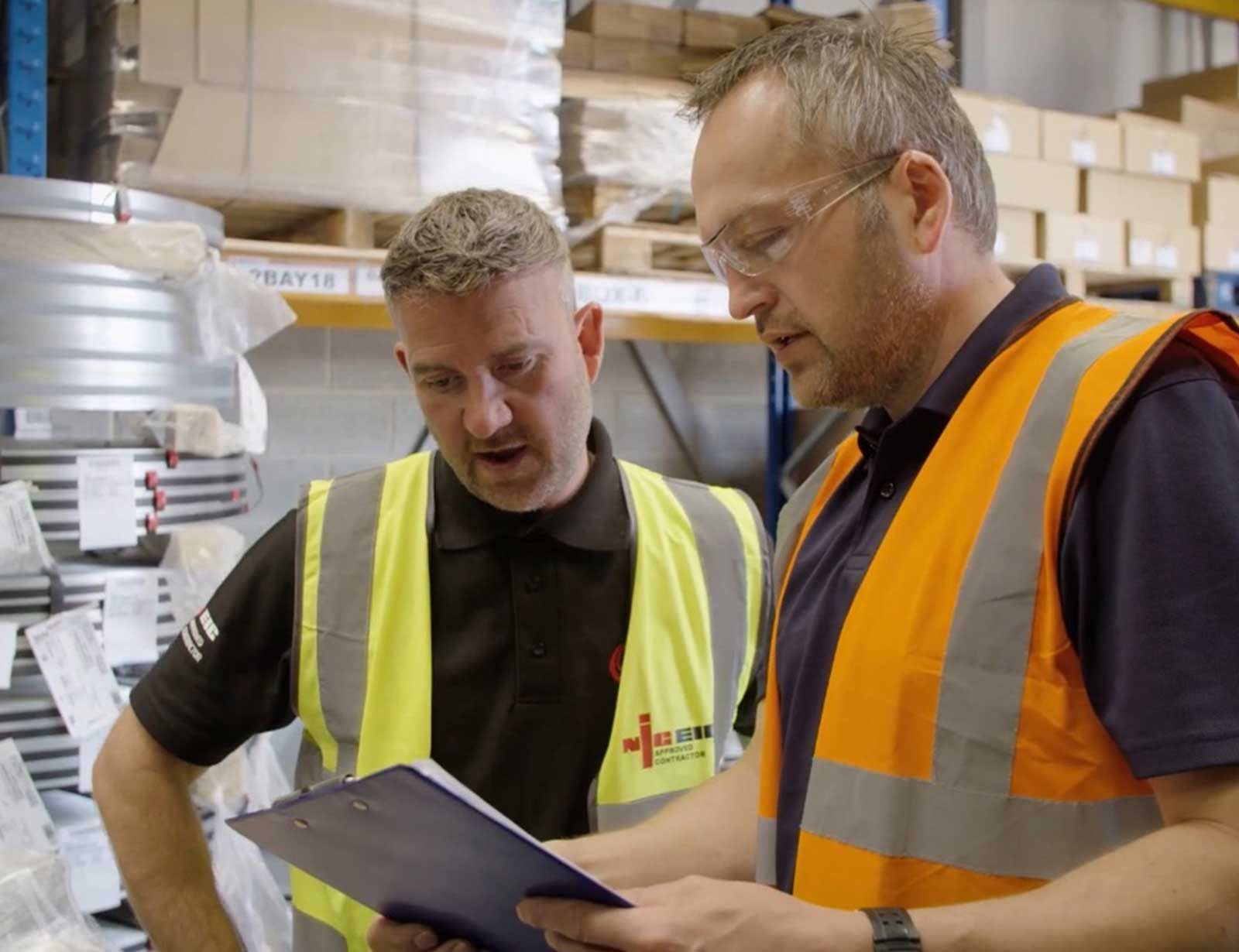
While basic monthly checks can often be done by a trained member of staff, annual full duration tests should always be completed by a qualified electrician.
As NICEIC-approved contractors, CTE Electrical Contractors provide professional emergency lighting testing across Yorkshire, ensuring compliance with BS 5266-1 standards. We also handle remedial works and provide certification so you have the documentation required for insurance and health and safety inspections.
At CTE Electrical Contractors, we provide tailored emergency lighting solutions to businesses throughout Barnsley, Sheffield, Leeds, Doncaster, Wakefield, and across Yorkshire.
We pride ourselves on:
Whether you need a one-off emergency lighting inspection or a full testing and maintenance package, our team is here to help.
How often should emergency lighting be tested in the UK?
Emergency lighting must be tested monthly with a short functional test, and annually with a full 3-hour duration test. Both results should be recorded in a logbook to ensure compliance.
Who is responsible for emergency lighting testing?
The “responsible person” under the Regulatory Reform (Fire Safety) Order 2005—usually the employer, landlord, or building manager—is legally responsible for ensuring emergency lighting is tested and maintained.
Can I carry out emergency lighting testing myself?
Basic monthly checks can be done by trained staff. However, annual 3-hour duration tests should be carried out by a qualified electrician, such as CTE Electrical Contractors in Yorkshire, to ensure compliance with BS 5266 standards. - 6 -
What happens if my emergency lights fail the test?
If a light does not work or does not last for the full 3 hours, it must be repaired or replaced immediately. A professional electrician can identify faults, replace batteries, or install new fittings as required.
Do I need to keep records of emergency lighting tests?
Yes. All emergency lighting tests must be documented in a logbook. This record may be requested during fire safety inspections or insurance checks to prove compliance.
Don’t wait until it’s too late. Make sure your emergency lighting is compliant, reliable, and ready to protect your staff and premises.
Schedule a compliance callChris and his guys are really professional, and just very nice people to do business with.
I have used them many times now in my home for various projects and also my friends and family's homes.
Full house rewire in our house, along with spotlights and outside sockets and lights. Really pleased and I won’t be going anywhere else in future.
Chris and particularly Alex have been involved in a full refurb of our new property. We had a full rewire, plus many extras. They have all been absolutely fantastic. Very professional, helpful and great at their work. I would definitely recommend them to anyone who requires electrical work. Thank you guys.
Had Chris and the team in for a Consumer Unit change and some downlights. 1st class from start to finish. Turned up on time and job completed within timescale. Would recommend.